Related Aftercare Protocols
- Stage 2 Hydration: Compare formulas in our Best Tattoo Aftercare Lotion Guide.
- Washing Protocol: See gentle cleanser options in our Best Soap for Tattoo Aftercare Guide.
- Complications: Learn to identify early symptoms in our Tattoo Infection vs Healing Guide.
The Ranked List
DISCLOSURE: This post contains affiliate links. If you purchase through our links we may earn a small commission at no extra cost to you.
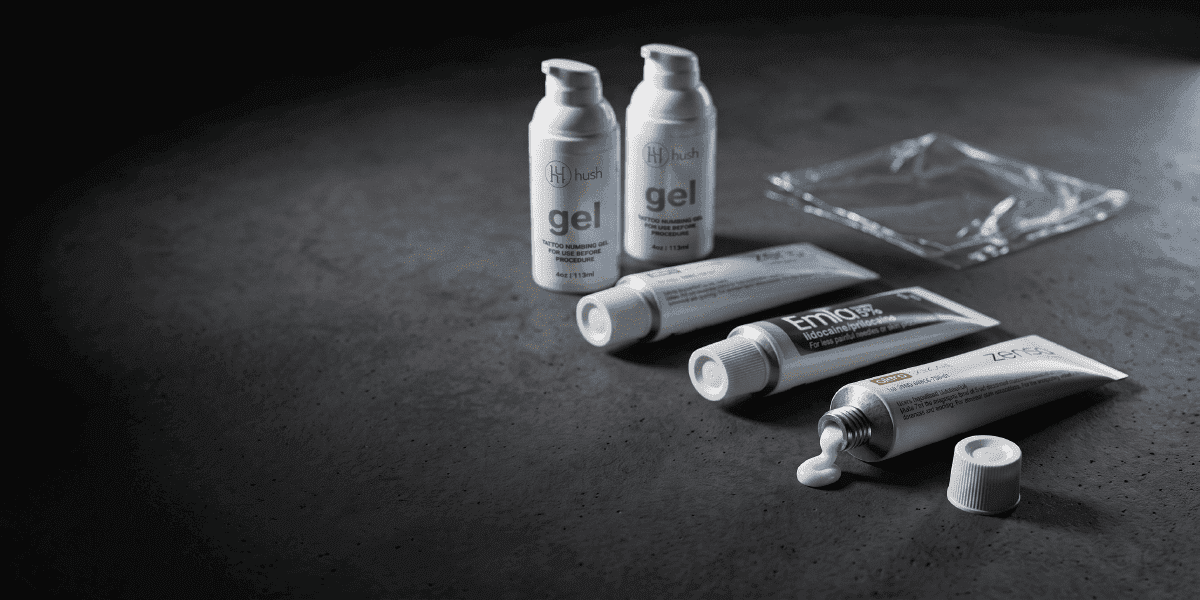
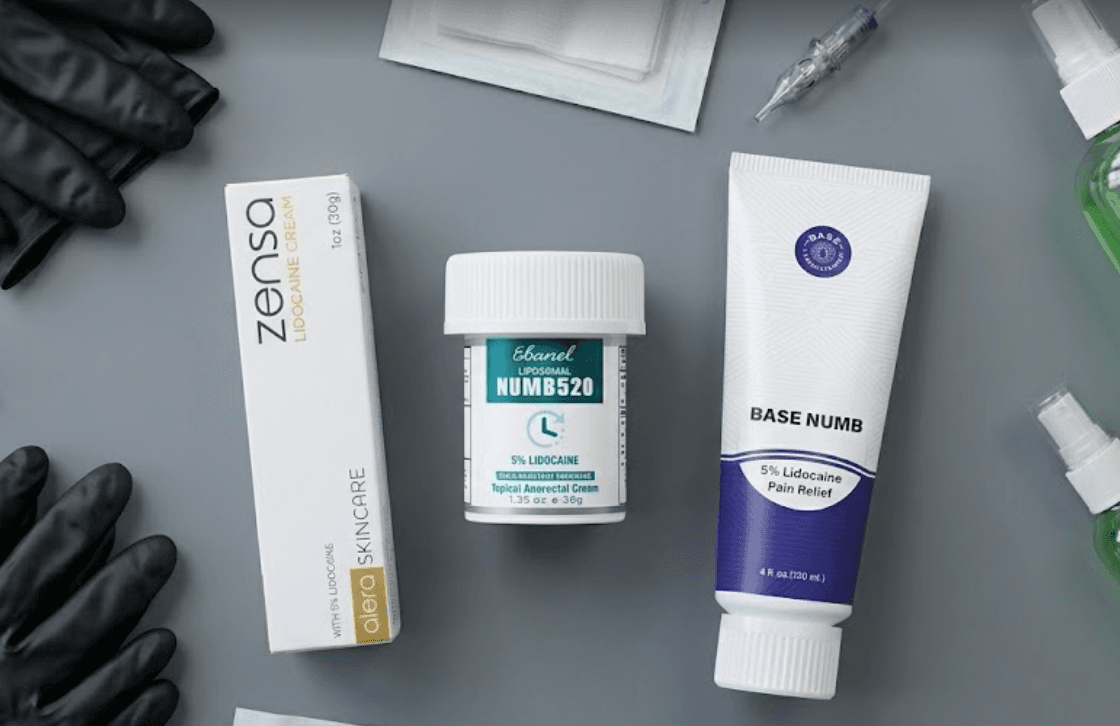
Zensa Numbing Cream
BEST OVERALL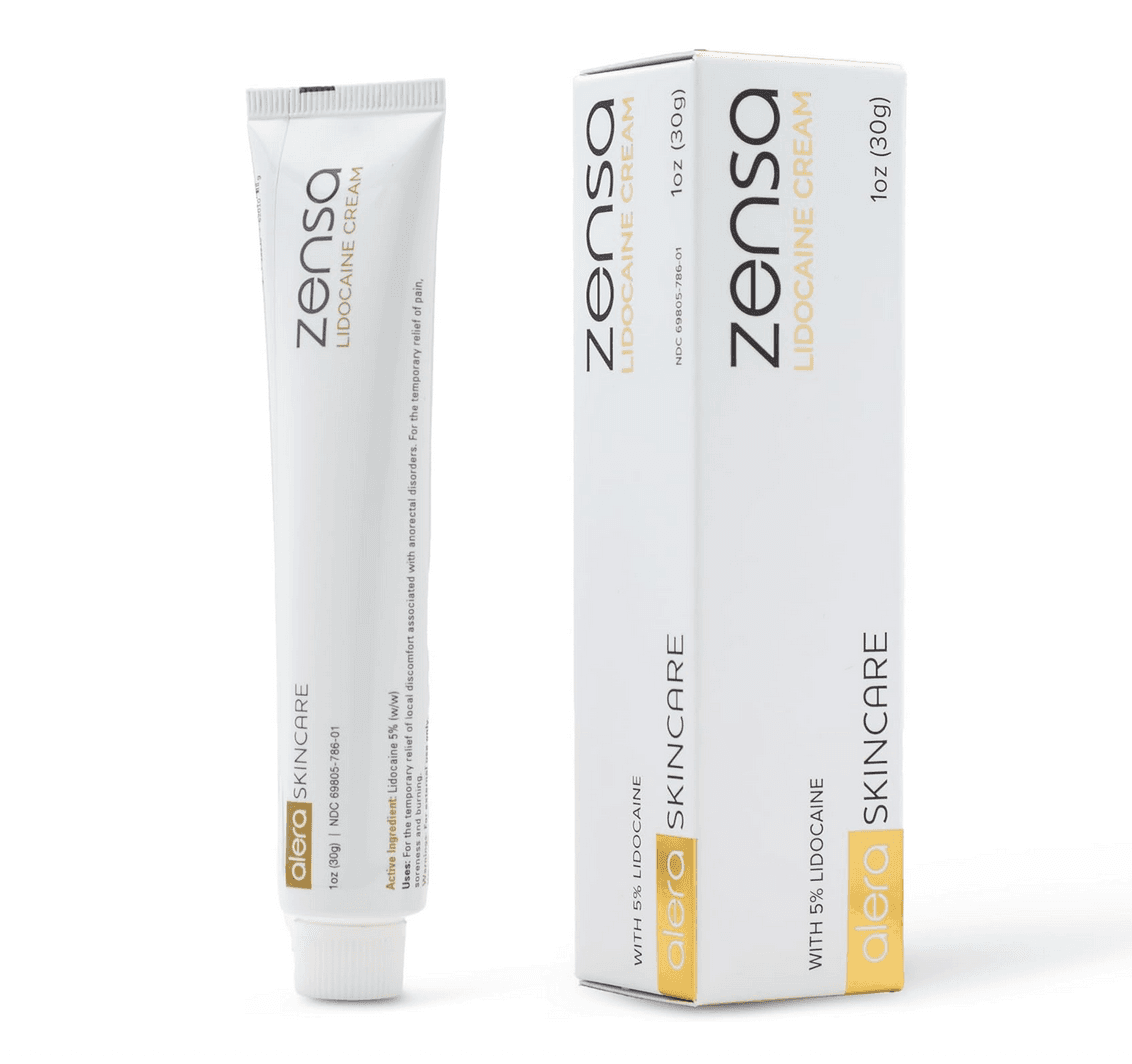
5% lidocaine. No fragrance. No vasoconstrictors. Contains vitamin E. Artists like this one because it doesn't have epinephrine, so your bleeding stays natural. Vasoconstrictors cause a rebound bleed after the session that pushes ink right back out of the skin.
The downside: It costs about three times more than EMLA for the same lidocaine percentage. Worth it if you have sensitive skin or your artist insists on no vasoconstrictors. Otherwise, you're paying for the name. About $35 on Zensa.
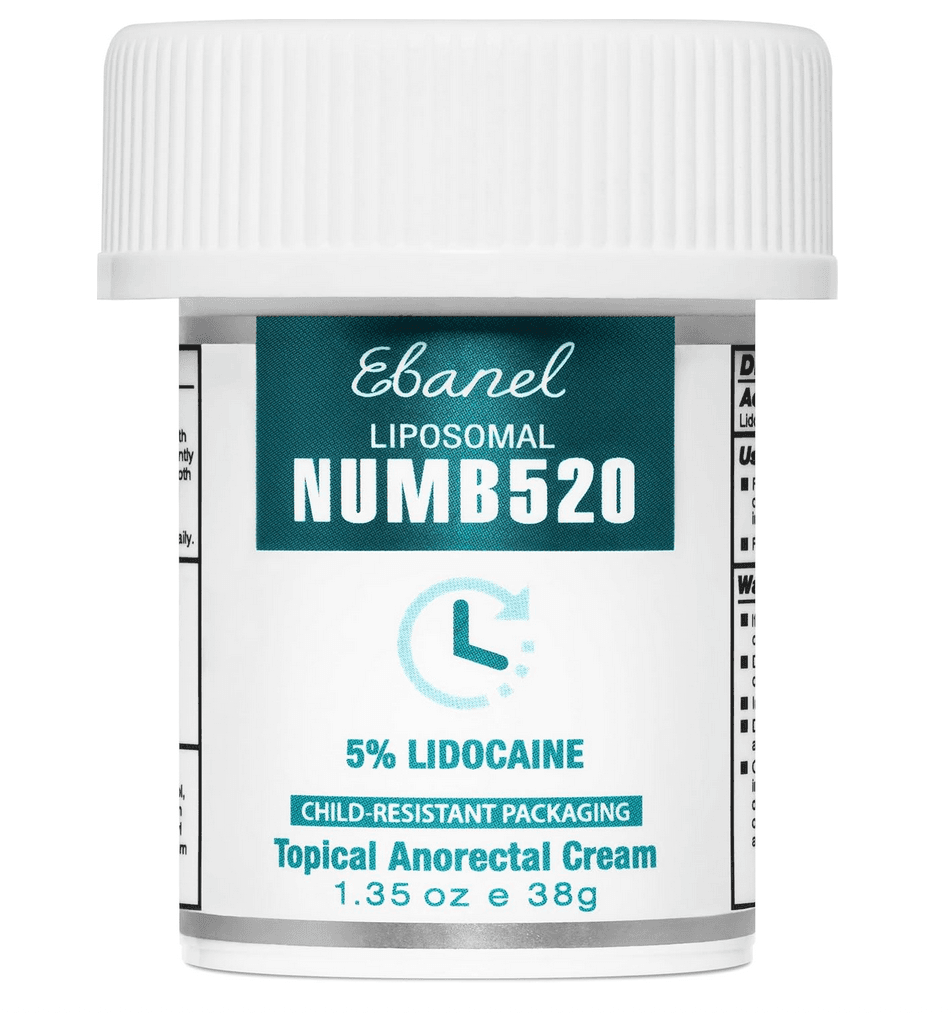
Ebanel Numb 520
BEST BUDGET OPTIONWhy the 60-Minute Window Is Not a Suggestion
Lidocaine penetrates skin through passive diffusion — the compound moves from high concentration on the surface through progressively lower concentration layers until it reaches the nerve fibers in the dermis. The rate of diffusion is controlled by the thickness of the stratum corneum, skin temperature, and whether the area is occluded. At body temperature under plastic wrap occlusion the diffusion rate is fast enough that effective dermal concentrations are reached in 45 to 60 minutes on most body sites. Without occlusion evaporation continuously removes lidocaine from the surface faster than it can diffuse inward, meaning the concentration gradient that drives absorption never builds properly. This is why the same cream applied correctly for 60 minutes under wrap produces significantly more numbing than the same cream applied uncovered for 90 minutes. The nerve fibers that register tattoo pain sit in the upper dermis at a depth of approximately 1 to 2mm. Lidocaine applied topically reaches this depth reliably — it does not reach the deeper dermal layers where coil machine vibration trauma occurs, which is why numbing cream reduces but does not eliminate tattoo pain.
"Numbing cream applied for 15 minutes does as much as numbing cream applied for 0 minutes. The 60-minute window under plastic wrap is the product — not the cream itself."
Already have your design? Each design in our library includes the recommended aftercare protocol for its specific style and placement. Browse verified designs →
Exactly What To Do, Day by Day
EXFOLIATE.
CLEAN THE AREA WITH SOAP AND A COARSE CLOTH FOR 30 SECONDS TO REMOVE DEAD SKIN CELLS.
APPLY.
USE A STERILE APPLICATOR TO SPREAD A THICK, EVEN LAYER OF CREAM OVER THE TATTOO SITE.
OCCLUDE.
Cover the cream tightly with plastic wrap to trap body heat and drive the anesthetic into the skin.
WAIT.
Leave the wrap in place for exactly 45 minutes before entering the shop.
REMOVE.
Dab away all excess cream with sterile gauze; do not leave a film on the skin.
What To Never Use
Products with Epinephrine:
These act as vasoconstrictors and can alter how the skin accepts pigment.
Applying to Broken Skin:
Never use numbing cream on open wounds or already-tattooed areas to avoid systemic absorption.
Cheap "Heavy Duty" Knockoffs:
Avoid any unlabeled cream that claims to be "15% lidocaine," as these are often dangerous and unregulated.
Chemical Sunscreens:
Do not mix chemical SPF and numbing agents, as this creates a toxic cocktail for sensitized skin.