Related Aftercare Protocols
- Stage 2 Hydration: Compare formulas in our Best Tattoo Aftercare Lotion Guide.
- Washing Protocol: See gentle cleanser options in our Best Soap for Tattoo Aftercare Guide.
- Complications: Learn to identify early symptoms in our Tattoo Infection vs Healing Guide.
The Ranked List
DISCLOSURE: This post contains affiliate links. If you purchase through our links we may earn a small commission at no extra cost to you.
ZENSA NUMBING CREAM
BEST OVERALL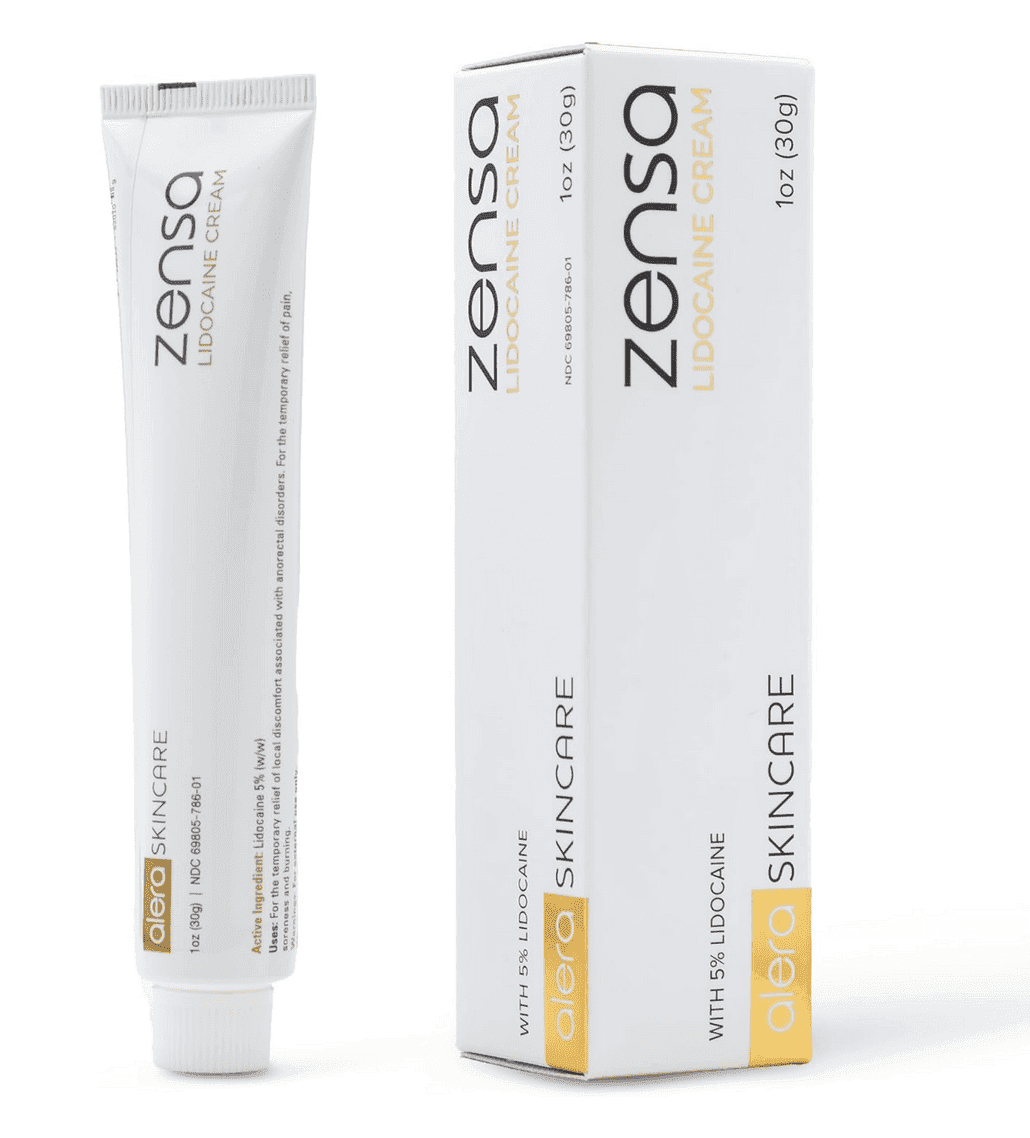
The texture is thicker than you'd expect — closer to a heavy body butter than a medical cream — and it doesn't run once it's on. No epinephrine, which is the main reason artists tolerate it better than the cheaper alternatives. It wipes off clean with a paper towel, which matters more than it sounds like when your artist is trying to lay a stencil.
You're paying a premium for the same 5% lidocaine you can get at a pharmacy for a third of the price.
EMLA CREAM
BEST BUDGET
WHY OCCLUSION MATTERS MORE THAN CONCENTRATION
Lidocaine works by blocking voltage-gated sodium channels in your peripheral nerve endings. When those channels can't open, the nerve can't fire an action potential, and the pain signal never reaches your brain. That part is simple. The hard part is getting the lidocaine to those nerve endings in the first place, because your stratum corneum — the dead outer layer of skin — is specifically built to keep foreign molecules out. This is where occlusion changes everything. Covering the cream with plastic wrap traps moisture against the skin, which hydrates the stratum corneum and dramatically increases how much lidocaine crosses it. Same 5% cream, same amount, but occluded skin gets meaningfully deeper anesthesia than open air. Uncovered application is why so many people conclude the product is useless — the lidocaine sat on the surface, partially evaporated in the base, and never reached the dermal nerve plexus where the needle actually goes.
"Everything credible in this category is 5% lidocaine — the difference is entirely in whether you gave it 60 minutes under plastic wrap or 10 minutes in open air."
Already have your design? Each design in our library includes the recommended aftercare protocol for its specific style and placement. Browse verified designs →
Exactly What To Do, Day by Day
CLEAR IT WITH YOUR ARTIST FIRST
Text them the product name and ingredient list before you buy anything. Some artists refuse numbing products outright and you need to know that before appointment day.
WASH AND DRY THE AREA
Use plain soap and water, then dry completely. Any oil or lotion on the skin blocks absorption.
APPLY A THICK LAYER — DON'T RUB IT IN
Lay it on like frosting, roughly 2mm deep across the whole area plus an inch of margin. Rubbing it in defeats the purpose because you want a reservoir sitting on the surface.
COVER WITH PLASTIC WRAP FOR 60 MINUTES
Seal the edges so no air gets in. This step doubles your results and skipping it is the number one reason people think numbing cream is a scam.
WIPE CLEAN RIGHT BEFORE THE STENCIL
Remove the wrap and wipe all residue off with a dry paper towel. Leftover cream makes stencils slide and your artist will make you do it again anyway.
What To Never Use
Anything containing epinephrine
it constricts blood vessels and tightens the skin, which changes how the needle deposits pigment and can affect healed results.
Benzocaine-based sprays
benzocaine has a much higher allergic reaction rate than lidocaine and carries a real methemoglobinemia risk at high doses.
Creams claiming above 5% lidocaine
anything sold over the counter above that ceiling is either mislabeled or unregulated, and neither is worth the gamble on a four-hour session.
Oil-based or petroleum-heavy formulas
they leave residue that ruins stencil adhesion and your artist will have to scrub the area raw before starting.