Loading
EXPLORE THE ARCHIVE
All Guides & Insights — Page 4
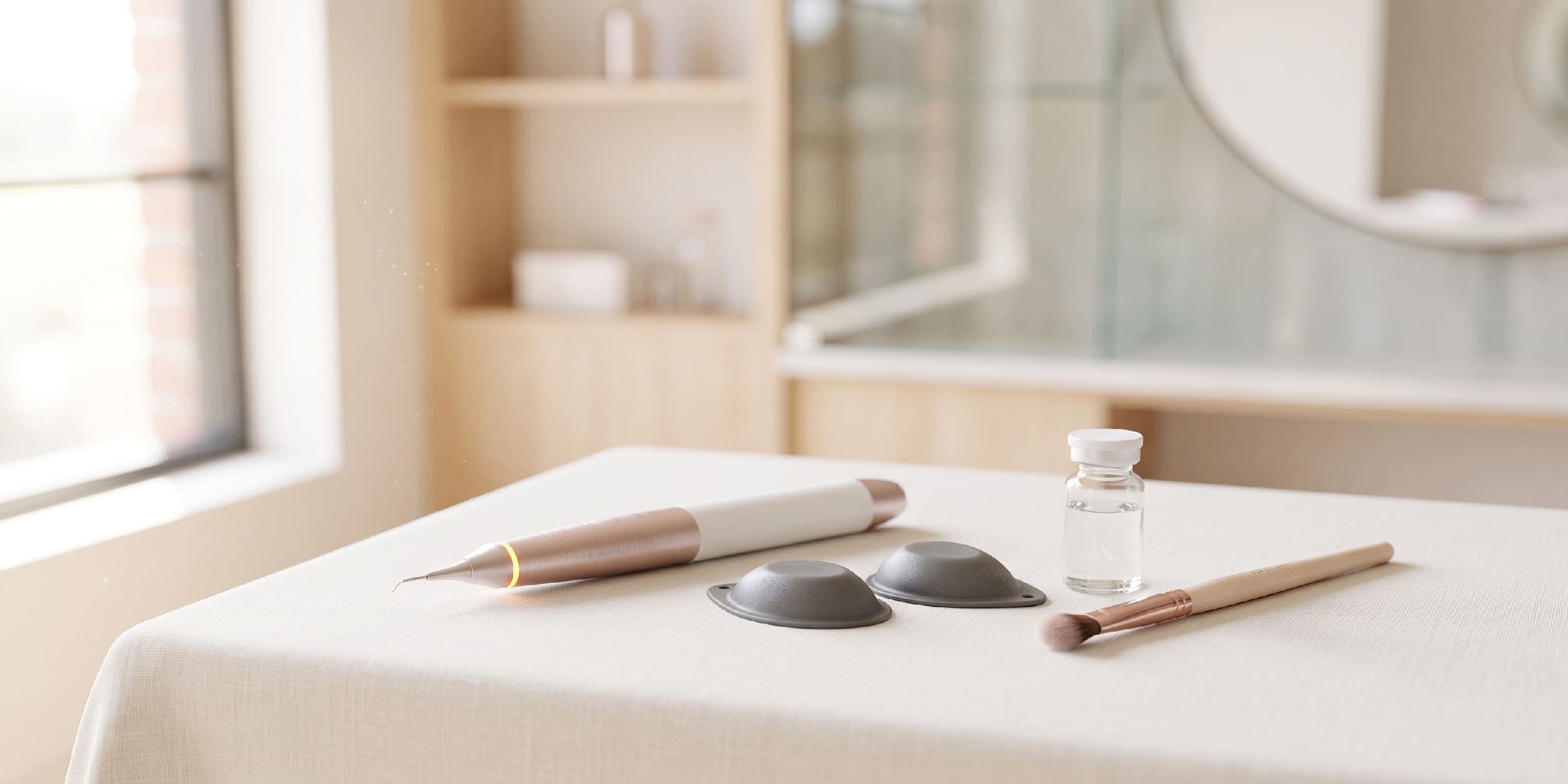
Eyebrow Tattoo Removal: The Guide That Prevents Disasters
Eyebrow tattoos — microblading, powder brows, and older permanent makeup — are shallow and small, which sounds easy, but the pigments used are exactly the ones that go wrong under a laser. Flesh-tone and white-containing inks can oxidise instantly to a darker colour on the first pulse, turning a fixable brow into a worse one. Here's how removal actually works on brows, why saline is often the safer route, and the one test that prevents the most common disaster.

TattoosMapAug 15, 2026 · 0 Comments

Tattoo Removal Aftercare — The Protocol That Protects Your Result
Keep the treated area clean, covered, and moisturised for the first few days, never pop blisters or pick scabs, and protect it from sun, heat, soaking, and friction while it heals. Full closure takes about 10 to 14 days, and the single biggest rule is to leave blisters and scabs completely intact — disturbing them is the main cause of scarring. Between sessions, keep it out of the sun and stay hydrated and active to help your body clear the ink.
TattoosMapAug 14, 2026 · 0 Comments
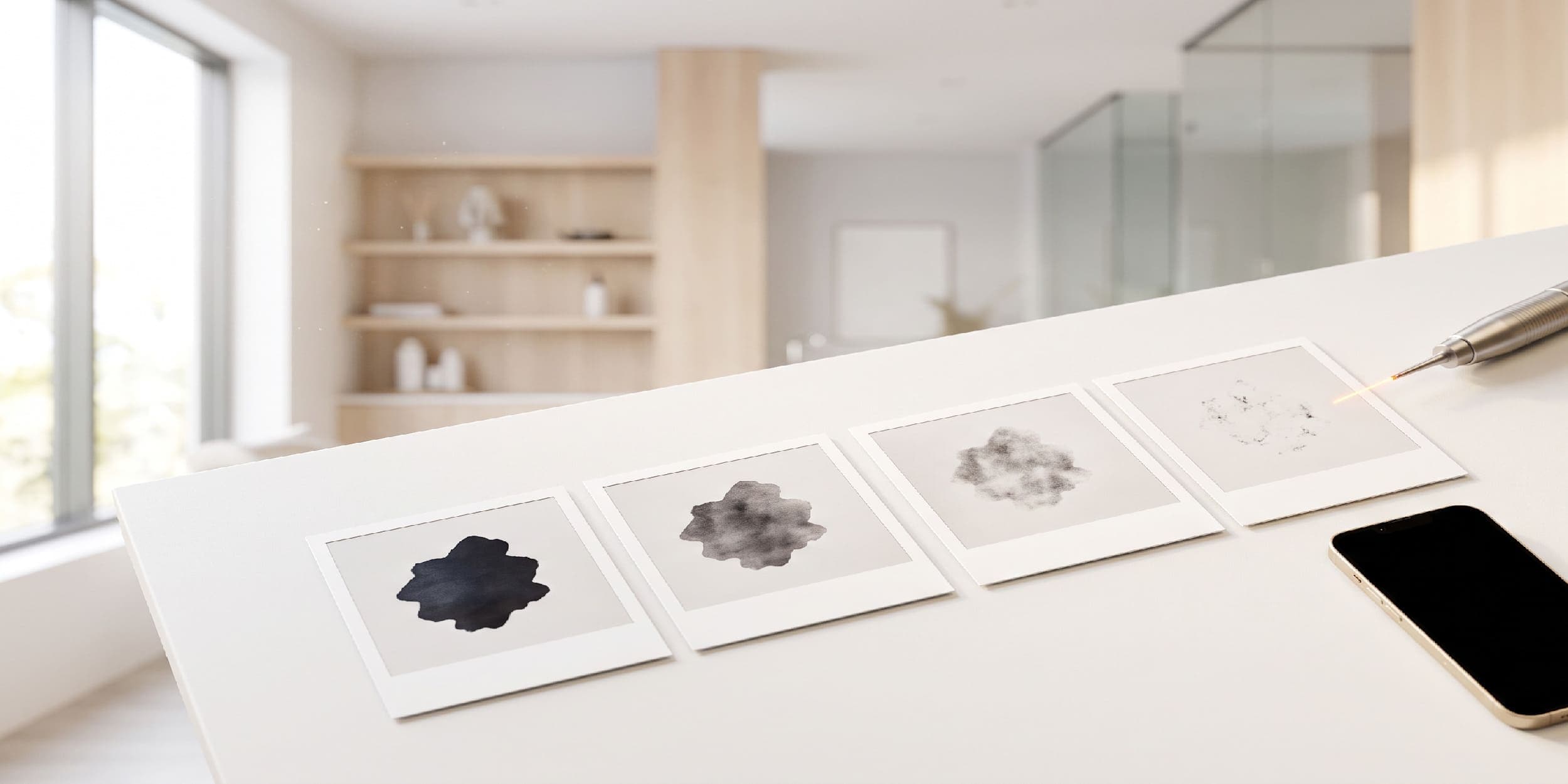
Tattoo Removal Results — What Real Progress Actually Looks Like
Real tattoo removal results are gradual and uneven — dramatic fading early, an apparent stall around sessions three to five, then patchy breaking-up rather than smooth fading. Most tattoos clear 90 to 100% rather than to flawless untouched skin, and some ink colours or faint shadows may remain. Judge your progress against your own before-treatment photos under consistent lighting, never against a clinic's advertised best-case results.
TattoosMapAug 12, 2026 · 0 Comments
Tattoo Removal Close to Me — How to Find a Clinic You Won't Regret
Search for dedicated laser removal clinics rather than beauty spas, and weight review volume over a perfect star rating — 4.6 stars across 500 reviews beats 4.9 across 50. Before booking, confirm the exact laser and wavelengths they use, that they offer a patch test before any package, and that a licensed practitioner runs the treatment. Get at least three quotes, compare cost per session rather than package totals, and walk from anyone quoting a fixed total before seeing how your skin responds.
TattoosMapAug 11, 2026 · 0 Comments

Does Tattoo Removal Hurt? An Honest Answer, Not a Sales Pitch
Laser tattoo removal is generally more intense than getting the tattoo but far shorter — a small piece is often under ten minutes of sharp, snapping discomfort. Bony areas, larger tattoos, and darker or denser ink hurt more; numbing, a skilled tech, and a picosecond laser all reduce it. It's very manageable with proper numbing, and the real risk isn't the pain itself but quitting because of it.
TattoosMapAug 10, 2026 · 0 Comments
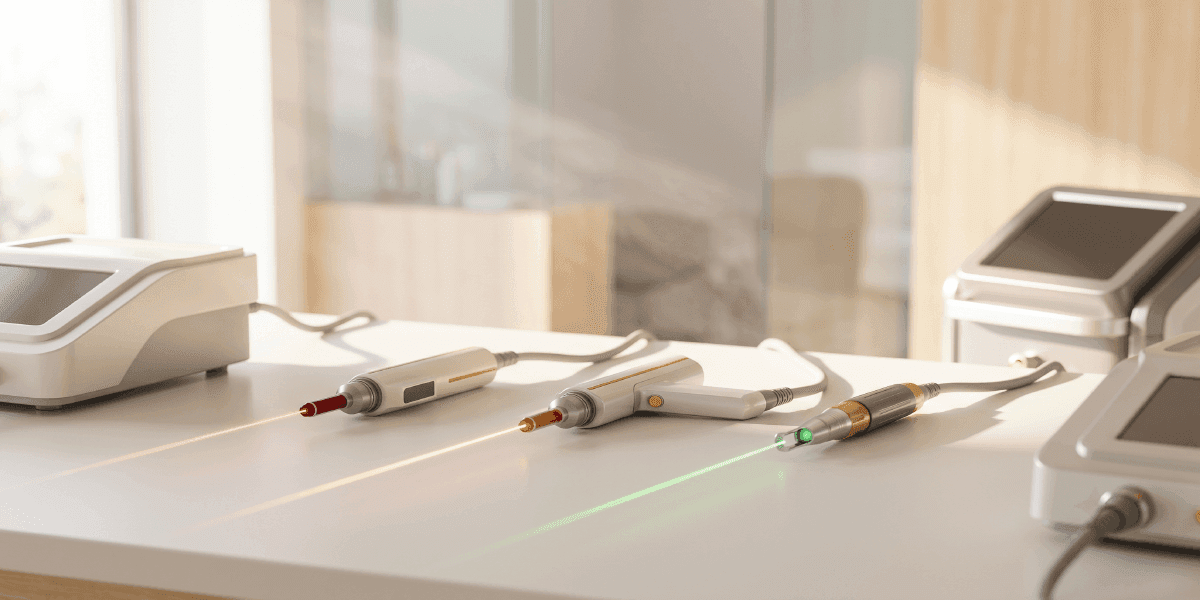
Laser Tattoo Removal Machines — What's Actually in the Room, Decoded
Clinics mainly use two categories: Q-switched lasers (older, cheaper, nanosecond pulses — good for black, can't clear green) and picosecond lasers like PicoWay and PicoSure (newer, faster, gentler, better on stubborn colours). What matters isn't the brand name but the wavelengths it fires — 1064nm for black, 755nm for green, 532nm for red. Ask what wavelengths the machine has, and if the answer is a brand name with no numbers, they don't know their own equipment.
TattoosMapAug 8, 2026 · 0 Comments
Pico Laser Tattoo Removal — Is the Premium Actually Worth It?
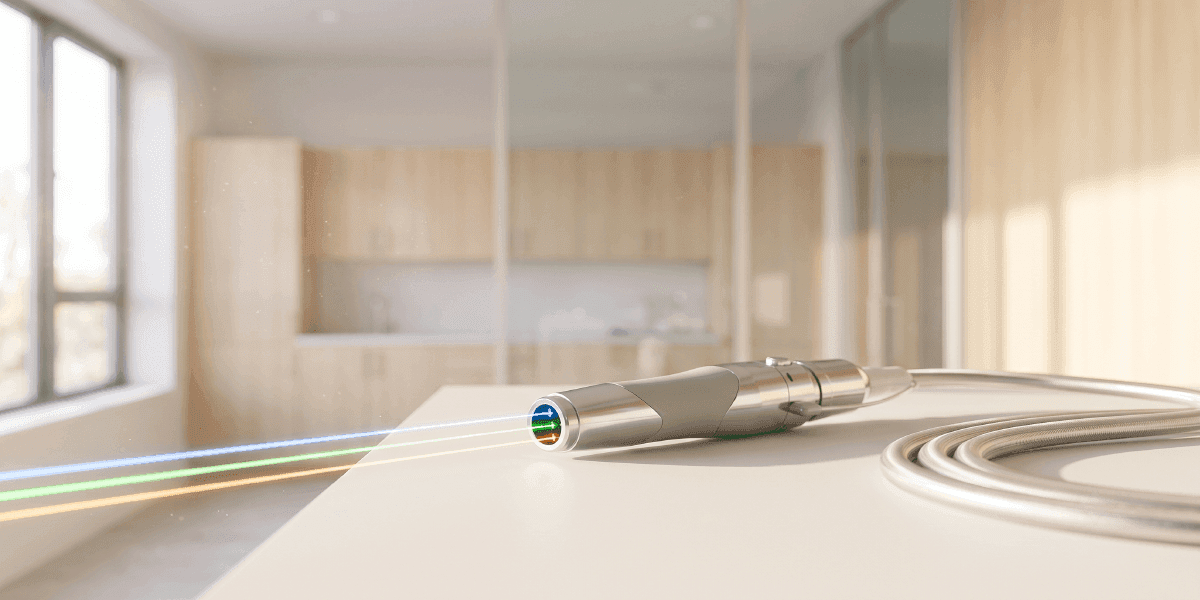
Pico is worth the premium if your tattoo has stubborn colours like green or teal, if you have darker skin and want the lower scarring risk, or if finishing faster genuinely matters to you. It's not worth it for small amateur black tattoos or fading for a cover-up, where Q-Switch does the same job cheaper. For professional black work the total cost often lands close either way, so it comes down to how much you value fewer months and less discomfort.
TattoosMapAug 7, 2026 · 0 Comments

Price for Tattoo Removal Laser — What You'll Actually Pay
Expect $75 to $500 per session depending on size, device, and city, with most people spending $1,200 to $3,500 total for a professional black tattoo and $2,800 to $8,000+ for multicolour or cover-ups. Session count drives the total more than session price does, so the cheapest per-session clinic often costs the most overall. Always calculate total cost — sessions needed times price per session — not the sticker figure.
TattoosMapAug 6, 2026 · 0 Comments
Does Tattoo Removal Cause Cancer? What the Evidence Actually Shows
No, there's no evidence that laser tattoo removal causes cancer, and the lasers used don't emit the ionising or UV radiation that damages DNA. The legitimate open question is about the chemistry of fragmented ink — some breakdown products have raised questions in lab studies — but nothing has been shown to cause cancer in people. If you're worried, the tattoo ink itself is the more studied concern, not the removal.
TattoosMapAug 5, 2026 · 0 Comments